Graco Baby brand logo
A young baby lying on a bed looking at the camera holding a small toy with both hands.

Baby Sleep Training: A Gentle Guide for Parents

Sleep is essential for babies—and for parents too. In the early months, sleep can feel unpredictable and fragmented, leaving many families feeling exhausted and unsure of what to do next. Learning how to sleep independently is a skill that takes time, practice and reassurance. Sleep training is not about leaving your baby to cry alone; rather, it’s about helping them feel safe, settled and ready to rest. In this guide, we explore what baby sleep training is, when to start, and gentle, responsive ways to encourage healthy sleep habits that support both your baby’s development and your family’s wellbeing.

Why Sleep Matters for Babies

Sleep plays a vital role in a baby’s physical growth, brain development and emotional regulation. During sleep, babies process new experiences, consolidate learning and release growth hormones. Regular, restorative sleep can also support mood, feeding patterns and overall development.


For parents and caregivers, sleep is equally important. Ongoing sleep deprivation can affect mental health, concentration and the ability to respond calmly to your baby’s needs. Supporting healthy sleep habits is therefore not only beneficial for babies, but for the whole family.

What Is Baby Sleep Training?

Baby sleep training refers to teaching your baby how to fall asleep and resettle themselves, both at bedtime and during the night. This often involves:

• Establishing consistent routines
• Creating predictable sleep cues
• Gradually reducing how much assistance your baby needs to fall asleep

Sleep training does not mean forcing independence before your baby is ready. There is no one-size-fits-all approach, and methods can range from very gradual, hands-on techniques to more structured routines. What matters most is finding an approach that aligns with your baby’s temperament, your parenting style and your family’s needs.

When Can You Start Sleep Training?

Most experts recommend waiting until your baby is around 4 to 6 months old before starting any form of sleep training. By this stage, many babies:

• Have developed more regular sleep cycles
• Are better able to self-soothe
• May no longer need frequent night feeds (though this varies)

That said, every baby develops at their own pace. Some babies may be ready earlier, while others may benefit from waiting longer. Premature babies or those with medical concerns may need additional time and support.
If you’re unsure when to start, speaking with your healthcare professional can help you decide what’s appropriate for your baby.

Understanding Baby Sleep Patterns

Babies’ sleep looks very different from adult sleep. Newborns have short sleep cycles and spend more time in lighter stages of sleep, which means they wake more frequently. As babies grow, their sleep cycles gradually lengthen and become more predictable.


It’s also common for sleep to change during developmental milestones, such as rolling, crawling or teething. These periods can temporarily disrupt sleep, even for babies who were previously sleeping well. Understanding that fluctuations are normal can help set realistic expectations.

Creating Healthy Sleep Habits

Before introducing any sleep training method, it’s important to build strong sleep foundations. Healthy habits help signal to your baby that sleep is coming and create a sense of security.

Key sleep habits to focus on:

Establish a calming bedtime routine: A predictable sequence such as a bath, pyjamas, a feed and a story can help your baby wind down.
Aim for consistent bedtimes: Putting your baby to bed at roughly the same time each night supports their natural body clock.
Create a quiet, comfortable sleep environment: A darkened room, comfortable temperature and minimal stimulation can help promote restful sleep.
Watch for sleepy cues: Signs like eye rubbing, staring into space or yawning can indicate it’s time for sleep.

Consistency is key. Repeating the same cues night after night helps your baby understand when it’s time to rest.

Gentle Sleep Training Approaches

Many families prefer gentle, responsive sleep training methods that prioritise comfort and connection. These approaches encourage independent sleep while reassuring your baby that you’re nearby.

Common gentle methods include:

Gradual withdrawal

This method involves slowly reducing your presence as your baby falls asleep. For example, you might start by sitting next to the cot, then gradually move further away over several nights until your baby can fall asleep on their own.

Pick-up, put-down

When your baby becomes upset, you pick them up to comfort them and put them back into their cot once they’re calm. This may be repeated several times, helping your baby learn to settle while knowing you’ll respond when needed.

Responsive settling

This approach allows brief pauses before responding to your baby, giving them a chance to self-settle while still offering reassurance if they become distressed.


These methods can take time and patience, but they focus on building trust and confidence alongside sleep skills.

What About Crying?

Crying is a baby’s primary way of communicating, and some babies may protest changes to their sleep routine. This doesn’t mean you’re doing something wrong. Sleep training does not need you to ignore your baby’s needs.
Responding with comfort, reassurance and consistency helps your baby feel secure as they learn new sleep habits. Trust your instincts—if a particular approach doesn’t feel right, it’s okay to adjust or pause.

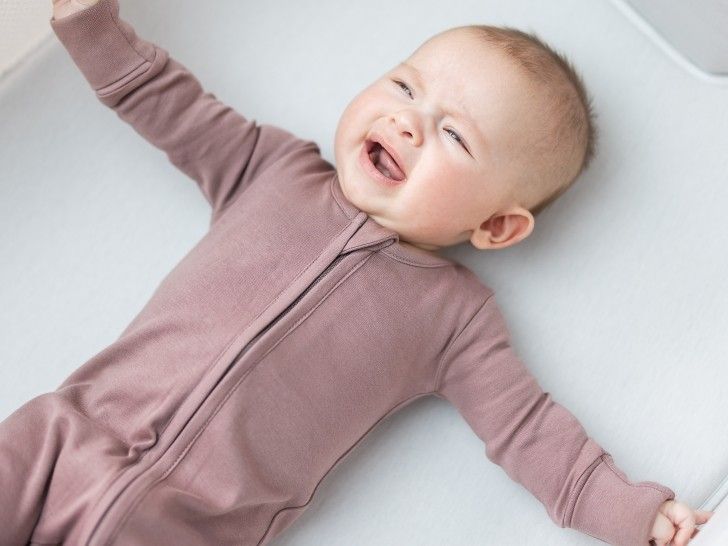
A young baby in a cot crying

Sleep Training Looks Different for Every Family

Every baby’s sleep journey is unique. Some babies adapt quickly to new routines, while others need more time and reassurance. Progress may be gradual, and setbacks are normal—especially during illness, travel or developmental changes.
It’s important to be kind to yourself during this process. There is no perfect approach, and flexibility can be just as valuable as consistency.

Baby Sleep Training: Frequently Asked Questions

Is sleep training safe for babies?

When done appropriately and at the right age, sleep training is generally considered safe. Gentle, responsive methods focus on comfort and consistency rather than leaving babies to cry alone. If you have concerns, consult your healthcare professional.

When is the best age to start sleep training?

Many parents begin between 4 and 6 months, when babies are more capable of self-soothing. However, readiness varies, and some babies may benefit from starting earlier or later.

Does sleep training mean letting my baby cry?

Not necessarily. Many approaches involve responding to your baby’s cues and offering reassurance. Sleep training is about teaching sleep skills, not ignoring your baby.

How long does sleep training take to work?

Some families notice improvements within a few days, while others may take several weeks. Consistency is important, and temporary setbacks are common.

Can sleep training stop night feeds?

Sleep training focuses on settling skills, not feeding. Some babies naturally reduce night feeds as sleep improves, while others continue to need them. Always follow your baby’s hunger cues and professional advice.

What if sleep training doesn’t work for us?

If a method isn’t helping or doesn’t feel right, it’s okay to stop and try again later or explore a different approach. Trust your instincts and your knowledge of your baby.

How can I create a good sleep environment for my baby?

A calm, safe sleep space can support better rest. Keep the room quiet and comfortable, follow safe sleep guidelines, and maintain a consistent bedtime routine.


Conclusion

Sleep training is not about achieving perfect nights—it’s about supporting your baby as they learn an important life skill in a way that feels right for your family. With patience, consistency and a gentle, responsive approach, healthy sleep habits can develop over time.

Trust your baby, trust yourself, and remember that progress often comes in small steps. A calm, supportive environment can help create positive sleep experiences that benefit both your baby and you.

share:

Links

Follow Us

© 2025 Graco Children's Products. All Rights Reserved.

Nuna International B.V. Groenmarktkade 5 H, 1016 TA, Amsterdam, The Netherlands