

Graco Baby brand logo
Mum sitting on a couch breasfeeding her baby with the Lansinoh logo on the left side

The fourth trimester: what is it, and how can new mums prepare?

After having a baby, it’s inevitable that new mums will experience a number of physical and emotional changes, particularly in the early days. Worryingly though, research maternal health brand and breastfeeding expert, Lansinoh, has revealed that a shocking eight in 10 new mums [1] feel they were not fully prepared for their own recovery post childbirth.

Understanding the changes that your body may go through in the ‘fourth trimester’ period, and knowing how to cope with them, is an important factor in helping mums on their journey to postpartum recovery.

What is the ‘fourth trimester’?

The fourth trimester is the three months after you have given birth – a lot of people consider this to be an extension of the pregnancy. However, this period tends to be an overshadowed and undiscussed part of a mother’s journey. In fact, Lansinoh’s research found that half of mums believed this period related to the new-born baby, as opposed to the mother’s recovery.

A little baby laying on her mum's chest

What physical changes may new mums experience?

It goes without saying that every mum’s journey is different, however on the first few days after you give birth, you may experience things like swollen feet, body aches, a sore perineum and vagina, heavy bleeding, uterine cramps, night sweats and enlarged and tender breasts.

Constipation is also normal, especially if you’ve have had a C-section, as this is a common side effect of the drugs. If you’re experiencing this, you can take laxatives, but also ensure you are eating foods with plenty of fibre.

If you’ve had an epidural, you may also experience some backache. If this is the case, take breastfeeding-safe painkillers to relieve any pain.

Most postpartum changes such as swelling, bleeding and body aches usually settle within a few days to a few weeks, however the main things to watch out for are heavy bleeding, severe headaches, or epigastric pain under the right breast. If you really don’t feel well, make sure to phone the maternity unit - they are on-hand for 28 days after your birth to help with any concerns you might have.

How common is perineal pain after a vaginal birth?

Perineal pain is common following a vaginal birth. In fact, data reports that 85% of women will sustain some form of perineal trauma during vaginal delivery, with at least 70% of these requiring suturing [2]. And it’s even more common for first-time mums, with 90% sustaining perineal trauma. [3]

The level of discomfort that mum will experience of course depends on the degree of trauma or tear. The different degrees of perineal trauma include:

  • 1st degree tear – this degree of injury is perfectly normal even after a straightforward birth. Discomfort should resolve after a few days. Small, skin-deep tears are usually left unstitched to heal naturally.
  • 2nd degree tear / episiotomy– these tears affect deeper muscle so are stitched with dissolvable stitches, which degrade as the wound heals over a few weeks.
  • 3rd degree tear – this degree of tea extends from the vaginal wall/perineum to the anal sphincter, and will require support from your HCP.
  • 4th degree tear – a 4th degree tear extends to the anus or rectum. This level of tear is uncommon, affecting only 2.9% of births in the UK [4]. These women should be placed under the care of a consultant.

How can mums reduce discomfort?

Despite perineal pain being very common post-birth, Lansinoh’s research revealed that an alarming 75% of mums felt they were not prepared for the physical pain and recovery that came with the ‘fourth trimester’.

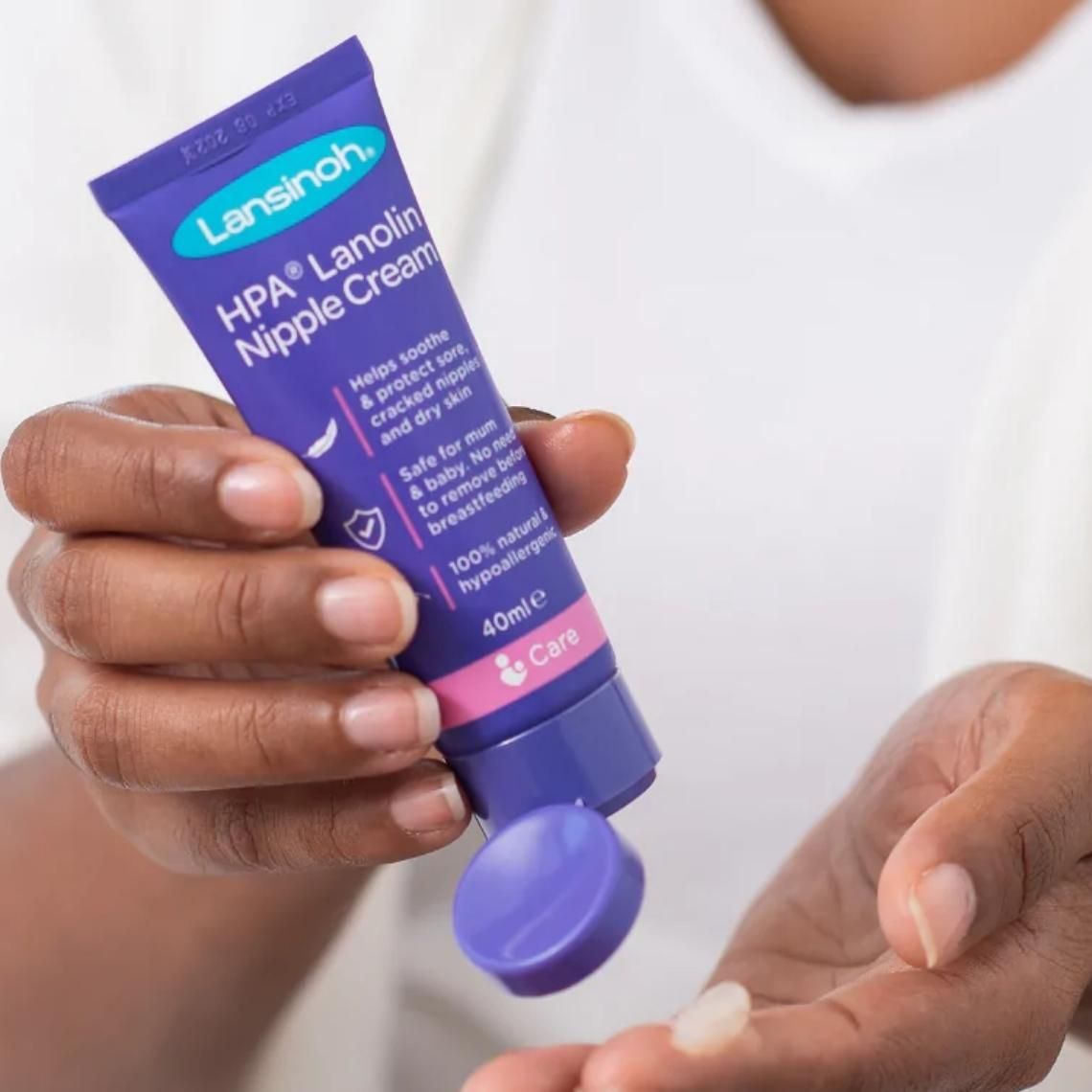
A woman applying a small amount of Lansinoh nipple cream to her finger
A baby breasfeeding from her mother

To help support new mums during postnatal recovery, Lansinoh has a Birth Preparation & Recovery range – an essential collection of products which can be used as a four-step routine to help avoid discomfort during and after birth.

The range includes:

It’s also common for breastfeeding mums to experience sore or cracked nipples during the fourth trimester; the first thing to do is to make sure you have your latch checked out with a healthcare professional. You can also use HPA Lanolin Nipple Cream, which provides relief to sore and cracked nipples.

As your milk increases in volume, you may also find your breasts swell and engorge, which can bring some discomfort. Wearing a well fitted bra can help to reduce pain. Your breasts will eventually settle down when they start to regulate how much milk they produce – however this can take a couple of weeks. Breast Therapy Pads can also be slipped comfortably inside your bra to relieve discomfort.

A final thing to consider is that you will likely experience leaking breasts during the fourth trimester (and even beyond!). To help manage this, it’s worth wearing Breast Pads on a daily basis which will quickly absorb breastmilk to keep you feeling dry and fresh.

How long does it take to recover physically after giving birth?

The length of your recovery is dependent on a lot of factors, such as your age, physical health, and the type of birth you had. However, most people will feel back to their normal selves after around six weeks, although it can take longer.

Whilst you’re recovering, try to sleep whenever you can, nourish your body with good food, and get fresh air as much as possible.

What about mum’s mental wellbeing?

Another aspect of the fourth trimester is mum’s emotional and mental wellbeing. Around 80% of women will experience some form of emotional change after the birth [5]. Mostly, this manifests itself in the form of the 'day 3 blues' but can happen any time in the first 3-weeks post-birth.

Remember that it is normal to feel overwhelmed after giving birth – you’re likely to be exhausted from lack of sleep, whilst trying to recover from the birth experience itself, on top of changes in your hormones. However, if these feelings don’t subside after a few weeks, consider speaking to a healthcare professional, friend, or family member to let them know how you are feeling. If problems like postpartum depression are caught early, then recovery is easier.

For more information on the fourth trimester, watch Lansinoh’s ‘Let’s Talk’ educational videos with a range of healthcare professionals and mothers themselves.

ENDS

[1] Research conducted in April 2021, consisting of 250 mums across the UK

[2] WEBB S, SHERBURN M and ISMAIL KHALED MK (2014) Managing perineal trauma after childbirth BMJ 349;g6829.

[3] NHS (2020) Episiotomy and perineal tears. Available at: https://www.nhs.uk/conditions/pregnancy-and-baby/episiotomy/

[4] RCOG (2015) The management of third- and fourth-degree tears. Green top guideline No. 2

[5] Research from NICE, 2014

You may also like

Mum with her hands on the face while her baby feeds with PaNDAS logo on the left side

Perinatal mental health and when to seek support

Read More
4 photos of 4 different mothers

Real Parents. Real Stories.

Read more
Smiling woman in a workout outfit sitting down with the Power of Mum logo to the right side

Empowering you to be the best version of yourself

Read more
share: