

Graco Baby brand logo
  • How to Prepare Your Body for Pregnancy: Nutrition and Lifestyle Foundations for Fertility

  • Preparing for pregnancy is one of life’s most hopeful seasons. It’s full of excitement, but often mixed with questions and uncertainty. Feeling both ready and unsure is completely normal.
  • The good news is that small, consistent habits can make a big difference to your fertility and overall wellbeing. Whether you’re just beginning to plan or already on your journey, simple, sustainable changes can help you feel more confident and in control.
  • Why Preconception Nutrition Matters

  • Fertility reflects your overall health. Hormones, nutrient stores, gut balance, stress and sleep all influence your ability to conceive.
  • Both egg and sperm cells take roughly three months to reach full maturity, so the food you eat and the lifestyle choices you make today can influence their quality in the months ahead. I often describe this as the preconception window — a time to give your body what it needs to thrive before pregnancy even begins.
  • 1. Build a Balanced, Nourishing Foundation

    You don’t need a complicated plan to support fertility — just focus on balance, variety and real food. In my experience, shifting the mindset from restriction to nourishment makes the process feel far more sustainable and positive.

    Try to:

    • Eat plenty of colourful fruit and vegetables. Antioxidants in these foods help protect egg and sperm cells.
    • Include protein with every meal, such as eggs, fish, poultry, lentils or beans, to support hormones and repair tissues.
    • Choose slow-release carbohydrates like oats, quinoa, brown rice and sweet potatoes for steady energy.
    • Add healthy fats such as avocado, olive oil, nuts, seeds and oily fish to support hormone production.
    • Stay well hydrated. Aim for around two litres of water a day to support circulation and cervical fluid.

    A simple way to visualise this is to fill half your plate with vegetables, a quarter with protein, and a quarter with wholegrains or starchy vegetables, plus a drizzle of healthy fat.

    2. Focus on Key Fertility Nutrients

  • Certain nutrients are especially important during the preconception phase. Including these regularly helps build a strong foundation for pregnancy.
    1. Folate (B9) supports early development and reduces the risk of neural-tube defects. This can be found in leafy greens, lentils, chickpeas and fortified foods.
    2. Iron aids ovulation and energy. This can be found in red meat, beans and spinach.
    3. Zinc is important for sperm and egg health. This can be found in meat, nuts and seeds.
    4. Vitamin D balances hormones and supports immunity. This can be found in sunlight, oily fish and fortified foods.
    5. Omega-3 fats reduce inflammation and support implantation. This can be found in salmon, sardines and chia seeds.
  • A good-quality prenatal multinutrient can help fill any gaps. Look for one that includes methylated folate, vitamin D, zinc and omega-3s.
  • 3. Support Gut and Hormone Health

  • Your gut microbiome plays a surprisingly big role in fertility, influencing how you absorb nutrients and metabolise hormones.
    • Include fermented foods like kefir, sauerkraut, kimchi or live yoghurt.
    • Eat plenty of fibre-rich foods such as vegetables, legumes and flaxseeds.
    • Limit ultra-processed foods, refined sugar and alcohol, which can drive inflammation.
  • I often notice that when people start improving their gut health, other symptoms such as bloating, PMS or low energy begin to settle too. It’s a sign the body is finding balance.
  • 4. Create Supportive Lifestyle Habits

  • Fertility isn’t only about food. Sleep, movement and emotional wellbeing all play a part in preparing the body for conception.
    • Sleep: Aim for seven to nine hours a night. Restorative sleep helps balance hormones and supports egg quality.
    • Movement: Regular activity, such as walking, yoga, swimming or strength training, improves circulation and blood-sugar control.
    • Stress: High stress can affect ovulation and sperm quality. Even five quiet minutes for deep breathing or a short walk outdoors can help.
    • Caffeine and alcohol: Limit caffeine to one coffee a day and keep alcohol minimal. Both can impact hormone balance.
    • Smoking and vaping: Best avoided altogether, as both can damage egg and sperm DNA.
  • Sometimes the smallest lifestyle shifts — like eating dinner without screens or adding a short stretch before bed — have the biggest impact over time.
  • 5. Your Most Common Fertility Questions, Answered.
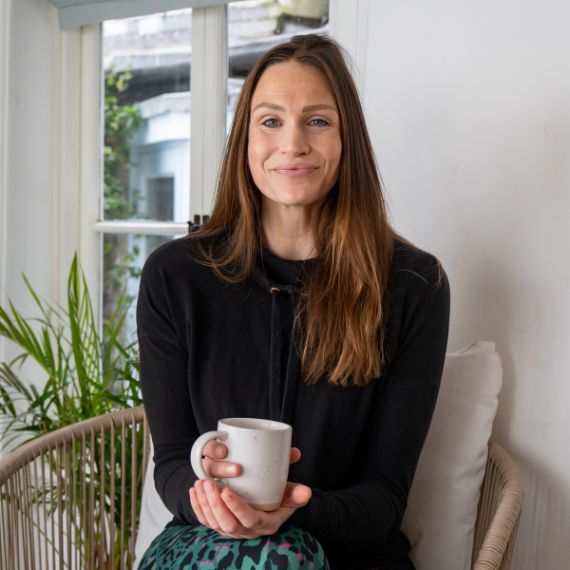
  • After supporting hundreds of couples through the preconception stage, these are the questions I’m asked most often:
  • “Is there a perfect fertility diet?”

  • No single diet guarantees conception. What matters most is balance, variety and consistency.
  • “Should I cut out carbs?”

  • Not at all. Wholegrains and starchy vegetables provide important energy and nutrients. Focus on quality rather than elimination.
  • “Can men really improve fertility through diet?”

  • Yes. Around half of fertility challenges involve male factors, and sperm quality responds quickly to nutrients like zinc, selenium, vitamin C and omega-3s. Preparing together is powerful.
  • “Do I need to detox first?”

  • Your body already detoxifies naturally every day. Focus instead on foods that support these processes — cruciferous vegetables, leafy greens, fibre and good hydration.
  • “When should I start making changes?”

  • Ideally three to six months before trying to conceive, but it’s never too late to start nourishing your body well. Every step counts.
  • 6. When to Seek Extra Support

  • If your cycles are irregular, you have a condition such as PCOS, endometriosis or thyroid imbalance, or you’ve been trying to conceive for some time, personalised guidance can help.
  • A registered nutritional therapist or fertility specialist can assess your nutrient status, hormone balance and gut health, and work alongside your GP or fertility clinic to support your next steps.
  • Final Thoughts

  • Preparing your body for pregnancy isn’t about perfection; it’s about progress. Each balanced meal, good night’s sleep and mindful pause supports your body’s natural fertility.
  • Think of this time as an investment in your future wellbeing and the health of your baby. Every nourishing choice today helps you create the healthiest start for tomorrow.
  • share: