
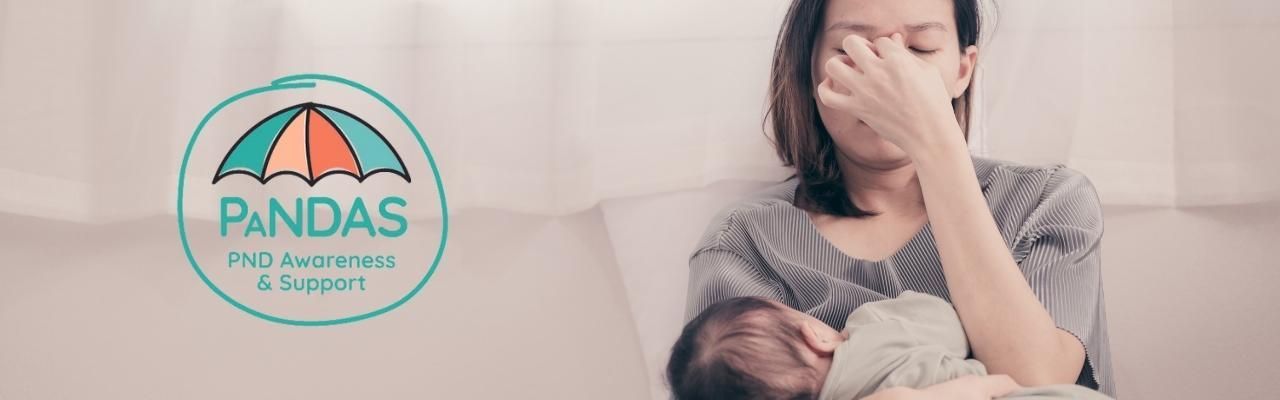
PND isn’t always just sadness

PND can be experienced by all parents (Dads included, not just mothers) and although often experienced within the first year following the birth of a baby, it can come on anytime from conception through to birth and well beyond…there is no threshold. There are also other perinatal mental illness symptoms to look out for antenatally (during pregnancy), such as prenatal anxiety for example.
The experience of beginning life with a new baby, can feel very alien (which is normal!), so it can be hard to know how we “should” feel anyway. This, mixed with surges of hormones and lack of sleep, means our sense of perspective changes and can be confusing. The most important things to remember during these times are
- Help and support IS available to you
- You will certainly not be alone in your feelings, even if they don’t seem like the “normal” symptoms
- Complete recovery and being able to feel “normal” again, is absolutely possible
It is also important not to brush off potential symptoms as the term we hear so often, “the baby blues”. Although sadness, is a common symptom of PND, here are some other symptoms to look out for, which should certainly be taken notice of if they are persistent feelings that do not go away, or go on longer than you feel is normal
- Anxiety. Maybe you feel like you have panic without obvious cause. Symptoms of anxiety can be mild or completely overwhelming.
- Crying or feeling very sad without apparent reason
- Fear of being alone
- Loss of appetite or feeling disinterest in food
- Inability to cope with daily chores and demands
- Feelings of guilt and inadequacy
- Intrusive thoughts, negative and/or morbid obsessions
- Feelings of self-harm or harm to the baby
- Fear of social contact
- Chronic exhaustion or hyperactivity
- Irritability or anger without cause
- Loss of interest in sex
- Loss of confidence/self esteem

Of course, some of these symptoms on their own may not mean you are experiencing a perinatal mental illness, and can even regarded as normal (for example, extreme tiredness).
But when any, or some of them affect your ability to live and cope, this is the time to reach out for support. We know from our work that the best type of intervention is early intervention, so the sooner you seek support the better. But recovering from any of these symptoms at any stage is absolutely possible with the right help, support and advice.
It is important if you feel you are experiencing any of these symptoms to talk to your GP, midwife or health care provider, in order to begin your recovery, so you can enjoy your parenting journey. The PANDAS Foundation is there to offer free (in the UK) advice, empathy and support, and has many different support services available, including a helpline, email and text service, plus online and offline peer to peer support groups. Please do head to pandasfoundation.org.uk for more info.