

Weaning Wisdom: Simple Tips for Stress-Free Solids and Raising Healthy, Happy Eaters
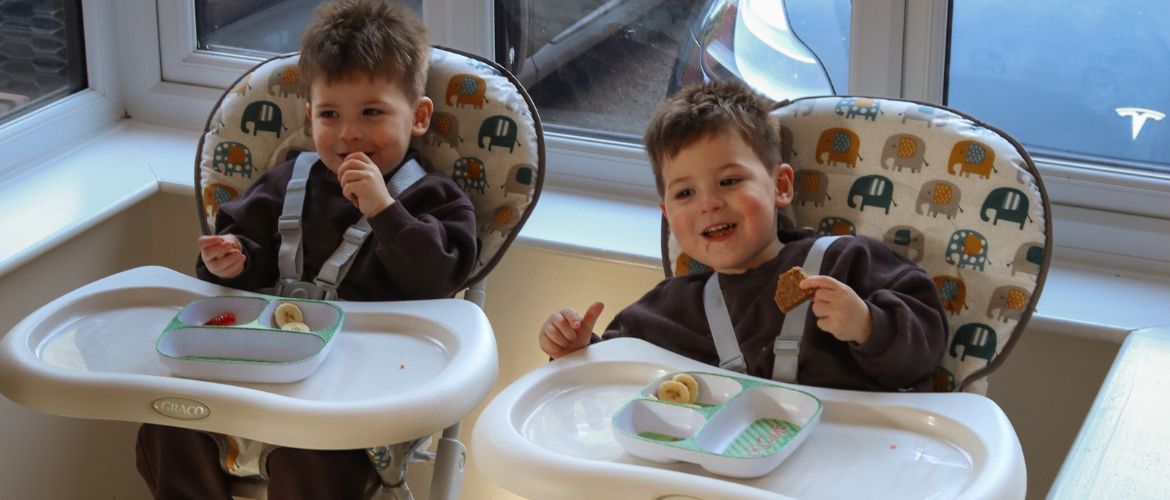
What is weaning, and when should you start?
There are many myths about when to start weaning, and these tend to persist over the years. From your baby waking more in the night to showing interest in your food, I’m afraid I’m here to tell you that most of what you read as ‘signs’ to start weaning are not actually accurate.In the UK, it’s recommended that babies commence solids around six months of age, and this aligns timing-wise with when we’d expect to see four clear developmental signs your baby is ready to learn how to eat safely.Your baby should be able to;
- Hold their head upright.
- Sit upright and unsupported for a short time.
- See something, e.g. a toy, pick it up and bring it to their mouth.
- Keep some food in their mouth, e.g., they have started to lose the natural tongue-thrust reflex, and can swallow some food.
What foods and nutrients should you prioritise during weaning?
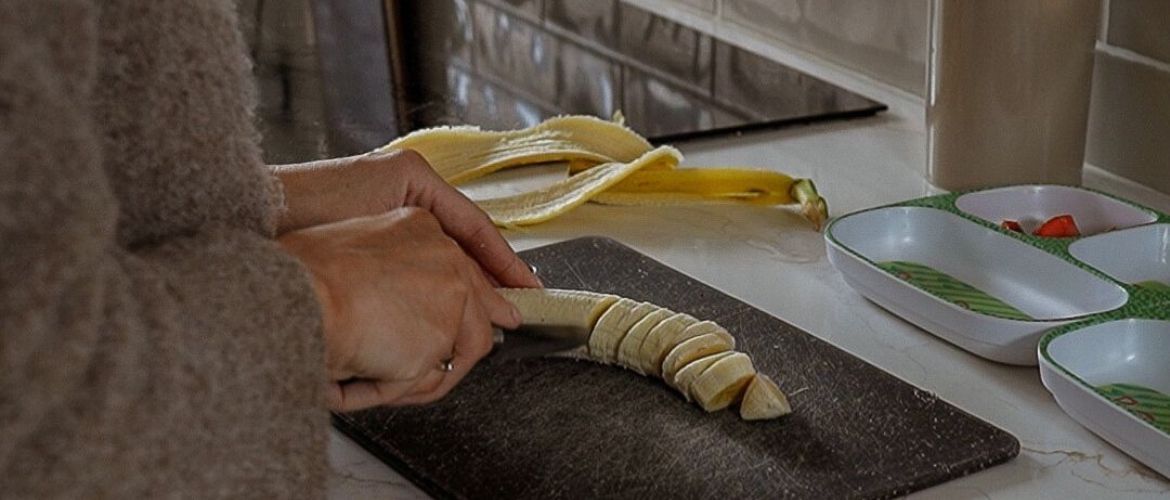
- Iron, essential for brain development and growth. This can be found in red meat, dark poultry meat, eggs, fortified cereals, beans and pulses, nuts, seeds, tofu (soya).
- Vitamin C, essential for immune health and absorption of iron. This can be found in fruits like kiwi, orange and strawberries. Vegetables like peppers. Potatoes too!
- Omega 3 fats e.g. DHA, EPA (An important healthy fat), essential for brain health, development, gut health and growth. This can be found in oily fish e.g. salmon, sardines, mackerel, fortified eggs or dairy produce. As well as plant sources e.g. walnuts (ground), flaxseed.
- Zinc, essential for growth and immune health. This can be found in beef, chicken, pork, fish, dairy, beans and lentils, ground nuts and seeds.
- Vitamin D, essential for immune health, bone health and muscle function. This can be found in fortified foods, formula milk. Vitamin D isn’t easy to get in good amounts from food, so ensure your baby is having 10ug of vitamin D supplemented if they are breastfed or if having <500mls formula/day).
I know, nutrition and meal planning for your baby might feel like a military operation, but as a general guide, when you start combining foods for your baby, think of mini meals that have these three components.
- An iron-rich food
- A vitamin C-rich food
- An energy-rich food(carbohydrates and/or healthy fats)
Navigating food refusal and weaning worries
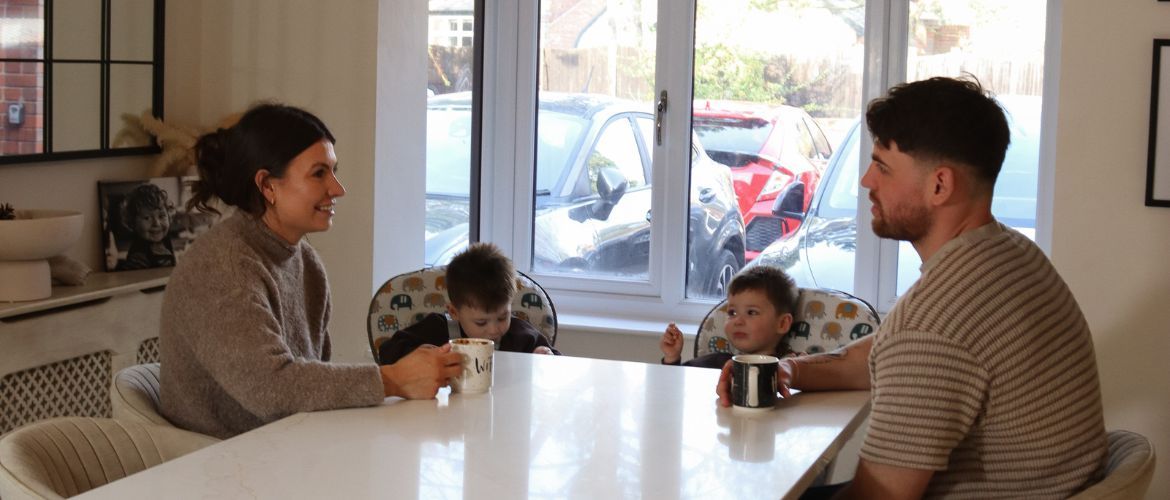
Helping your baby develop a good relationship with food
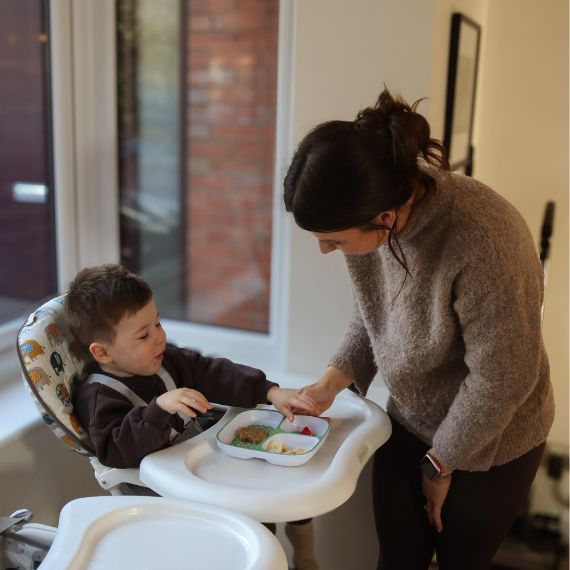

- Learn to trust their appetite – babies are great at listening to their hunger and fullness signals.As adults, we can have expectations or assumptions of ‘what's enough’, but the best gauge will always be your child.A phrase to remember, from feeding specialist Ellyn Satter, is “Parent provides, child decides”.
- Focus on connection, not correction – your baby and young child will look to you for reassurance, connection, and comfort as they navigate this challenging task called eating.As adults, it’s easy to spend time focusing on correcting things like thrown food, flipped spoons, and mouthfuls eaten, but instead, focus on eye contact, reassuring smiles, talking and modelling.Connection will support eating much more than correction.
- Avoid games, pressure or persuasion – flying aeroplanes, sneaking in spoons, or asking children to eat or try something is common to see, often because as parents we can feel desperate for our babies and children to eat something.The reality as pressure climbs, appetite declines!Let your baby lead, and lean into letting them feed themselves, with finger foods and loaded spoons.


